Mohenjo-daro: Unraveling the Mysteries of an Ancient Civilization

The Archaeological Enigma

Discovered in the early 20th century, the archaeological site of Mohenjo-daro dates back to around 2600 BCE, making it one of the oldest urban centers known to humanity. The well-planned city was laid out with remarkable precision, featuring advanced engineering, sewage systems, and multi-story buildings, indicative of an organized and progressive society.
City Layout and Urban Planning

Walking through the streets of Mohenjo-daro, one is struck by the city's advanced urban planning. The streets were arranged in a grid-like pattern, intersecting at right angles, showcasing an understanding of city organization that was unparalleled in its time. The presence of public baths and granaries suggests a society that valued hygiene and efficient food storage.
The Great Bath
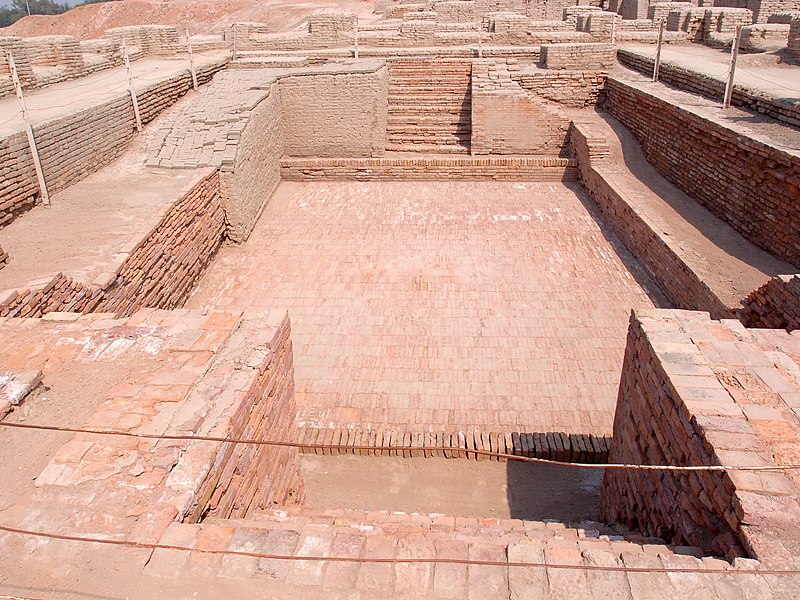
At the heart of Mohenjo-daro lies the Great Bath, a large, meticulously constructed pool that served both ceremonial and possibly hygienic purposes. The pool, lined with bricks and featuring a sophisticated drainage system, is a marvel of ancient engineering and a testament to the civic planning of the city's architects.
Decline and Abandonment

Despite its grandeur, Mohenjo-daro faced a mysterious decline and eventual abandonment around 1900 BCE. The reasons behind the fall of this once-thriving city remain speculative, with theories ranging from environmental changes to social upheaval. The enigma of Mohenjo-daro's demise adds an element of intrigue to its already fascinating history.

👍👍👍
ReplyDelete👍👍👍👍
ReplyDelete